
Most cities appear asleep at 3 a.m. Streets sit empty, storefronts remain dark, and apartment windows glow faintly against the night sky. Yet inside some of the world's largest food markets, the day is already in full swing.
Long before office workers hit snooze alarms and commuters pour coffee, thousands of vendors are hauling produce, sorting fish, negotiating prices, and preparing for a rush that will arrive with sunrise. This hidden economy operates in the shadows of the night, quietly feeding entire cities. New TikTok video shows exactly that.
@thechopsstation Do you even know mile 12 market operates 24 hours??? #marketchronicles #mile12market #viralvideos #smallbuisnessowner ♬ original sound - SMALLCHOPS IN LEKKI / AJAH
At the center of this pre-dawn hustle stands an often overlooked workforce. Women form the backbone of many wholesale markets across Africa, Asia, and Latin America. Their work begins when most people are still asleep and ends only after countless households, restaurants, and businesses have secured the food they need for the day.
The City Wakes Up Long Before Sunrise
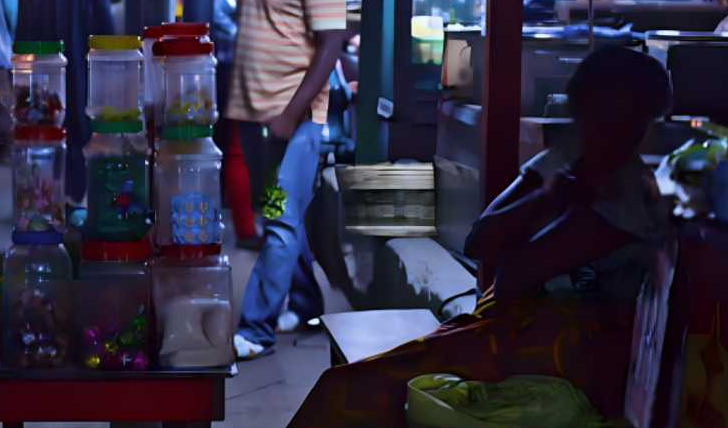
GTN / The busiest hours in many wholesale markets happen while darkness still blankets the city. Nairobi's Wakulima Market offers one of the clearest examples.
As early as 2 a.m., vendors begin arriving to claim valuable spaces and organize products. Every minute matters because the earliest arrivals often secure the strongest sales opportunities.
For Grace Muthoni, this routine has become second nature. The Kenyan vendor wakes up around 2 a.m. and reaches the market shortly after 3 a.m. Carrying forty kilograms of sukuma wiki, a leafy green vegetable popular across East Africa, she prepares for another day of selling before sunrise.
That demanding schedule has remained unchanged for nearly a decade. The work supports her family and provides income in a competitive environment where delays can mean lost earnings.
A similar scene unfolds hundreds of miles away in Douala, Cameroon. At the Youpwe Fish Market, female traders gather between 3 a.m. and 4 a.m. to purchase fresh catches directly from fishermen returning from overnight trips.
Timing determines success. The first vendors gain access to the freshest fish and the widest selection. Late arrivals often settle for what remains, which can significantly affect profits. The same rhythm appears across continents. Bangkok's Khlong Toei Market reaches peak activity between 1 a.m. and 5 a.m. Restaurant owners, chefs, and food suppliers arrive during these hours to stock kitchens before breakfast service begins.
Mexico City's Central de Abasto follows a similar pattern. Although the market never closes, the early morning period drives much of its supply activity. Massive shipments arrive while workers unload products destined for millions of consumers.
The Tough Reality Behind the Hustle
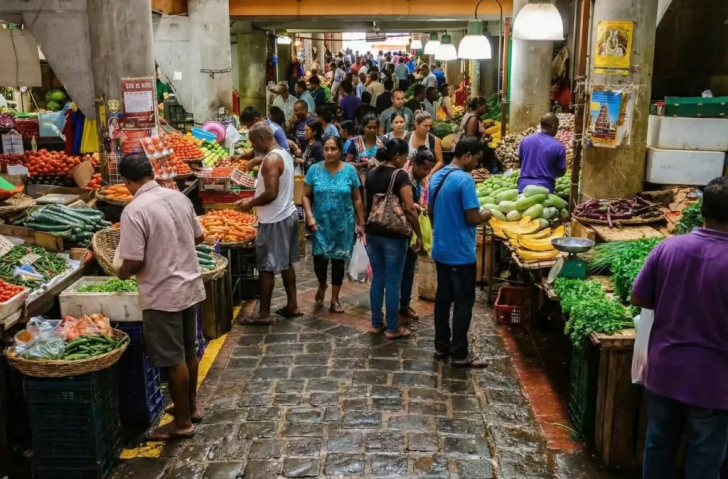
The News / The pre-dawn shift is exhausting. Many women carry large sacks of vegetables, baskets of fish, or crates of fruit across crowded spaces.
The work requires strength, stamina, and determination. Fatigue becomes a constant companion. Safety presents another challenge. Traveling through dark streets before sunrise carries risks, especially in crowded urban areas. Many vendors must choose between arriving early enough to secure quality products and protecting personal safety.
At the Youpwe Fish Market, some women deliberately arrive later because of safety concerns. That decision often comes at a financial cost. Lower quality fish usually means lower earnings.
Economic uncertainty adds another layer of pressure. Most workers in these markets operate within the informal economy. Formal contracts rarely exist. Health insurance is uncommon. Government protections are often limited.
Income can change dramatically from one day to the next. A profitable morning may be followed by several difficult days. Weather conditions, transportation delays, and supply shortages can quickly affect earnings.