
In October 2017, Kevin Spacey found himself at the center of a major controversy that quickly spread across Hollywood and beyond. The actor responded publicly after Anthony Rapp alleged that Spacey made a sexual advance toward him in 1986, when Rapp was 14 years old and Spacey was 26. Spacey said he did not remember the incident but apologized if he had behaved as described, calling it "deeply inappropriate drunken behavior."
The same statement included another announcement that immediately became headline news. Spacey publicly came out as a gay man, writing, "I have loved and had romantic encounters with men throughout my life, and I choose now to live as a gay man."
Instead of changing the conversation, the decision triggered fierce criticism from LGBTQ celebrities, activists, and advocacy groups. Many argued that combining a personal coming-out announcement with a response to allegations of sexual misconduct blurred two completely separate issues. Critics said the focus should remain on Anthony Rapp's allegation, not on Spacey's sexuality.
Why Kevin Spacey's Statement Sparked Backlash?
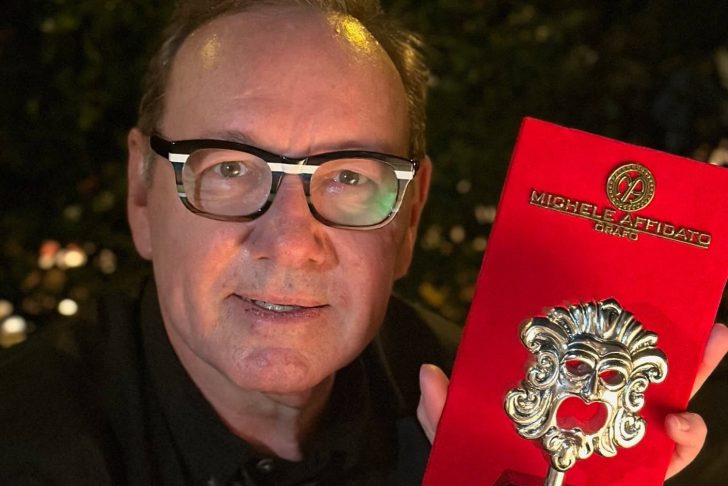
Spacey / IG / Coming out is often viewed as a deeply personal and meaningful moment. For many LGBTQ people, it represents honesty, acceptance, and years of personal struggle.
That is why Spacey's decision to include his announcement alongside his response to a serious allegation surprised many people.
Critics argued that the timing overshadowed an important conversation about accountability. They believed the statement shifted public attention away from Rapp's allegation and toward Spacey's personal life. That approach was widely described as inappropriate and damaging.
One of the strongest responses came from actor Zachary Quinto, who publicly came out in 2011. In a lengthy statement, Quinto expressed disappointment with Spacey's decision and questioned his motives. "It is deeply sad and troubling that this is how Kevin Spacey has chosen to come out," Quinto wrote.
He continued by saying that the announcement was "a calculated manipulation to deflect attention from the very serious accusation" made by Anthony Rapp. Quinto also said he regretted that Spacey "only saw fit to acknowledge his truth when he thought it would serve him."
Comedian Wanda Sykes also reacted strongly after reading Spacey's statement. Posting on X, then known as Twitter, she rejected the idea that coming out should be linked to accusations of misconduct. "No no no no no! You do not get to 'choose' to hide under the rainbow! Kick rocks!"
Actor and comedian Billy Eichner also joined the discussion with one of the most widely shared reactions. "Kevin Spacey has just invented something that has never existed before, a bad time to come out."
Columnist Dan Savage also weighed in, stressing that being gay could never explain or excuse alleged misconduct involving a minor. "No amount of drunk or closeted excuses or explains away assaulting a 14-year-old child."
Why Advocacy Groups Spoke Out
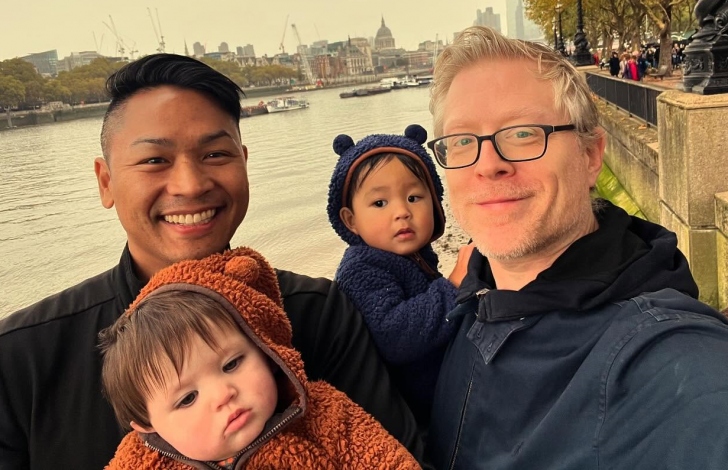
Rapp / IG / GLAAD also responded shortly after Spacey's statement was released. Sarah Kate Ellis, the organization's president and CEO at the time, emphasized that coming out should never distract from allegations of sexual assault.
"Coming out stories should not be used to deflect from allegations of sexual assault," she said. Ellis added that the central story was one of survivorship and that Anthony Rapp's account deserved public attention. Her statement reinforced the message shared by many LGBTQ organizations during the controversy.
Advocates worried that combining two unrelated topics could unintentionally strengthen false stereotypes. For years, LGBTQ organizations have worked to separate sexual orientation from harmful misconceptions linking gay people to predatory behavior. Those stereotypes have long been rejected by medical experts, researchers, and advocacy groups.