
TikTok has found another reason to put fresh produce in the freezer. This time, creators are freezing whole fruit halves, adding a splash of cream, and scraping everything together to make a quick frozen dessert.
The viral frozen fruit ice cream trend has spread across TikTok and Instagram because the method looks almost too simple. There is no ice cream machine, complicated custard, or long ingredient list. A frozen piece of fruit and a creamy liquid can produce a dessert that sits somewhere between sorbet and soft serve.
Watermelon has become one of the stars of the trend. Papaya, honeydew, cantaloupe, and pineapple also work with the same basic idea. Some creators have taken things much further by experimenting with tomatoes and savory ingredients.
View this post on Instagram
The appeal is easy to understand. The fruit acts as the ingredient, serving bowl, and frozen base at the same time. The result also looks impressive enough for social media without requiring much kitchen experience.
How the Viral Frozen Fruit Ice Cream Hack Works?
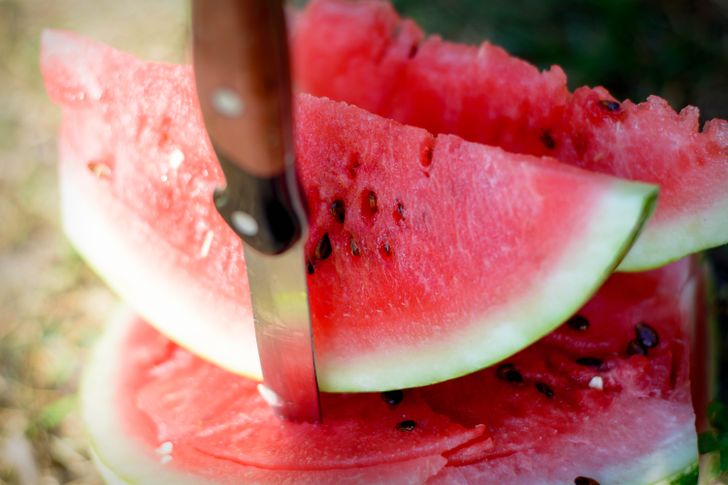
Yana / Pexels / The basic method starts with a large piece of ripe fruit. Watermelon and melon work particularly well because their size gives you enough room to scrape and mix the frozen flesh.
Creators usually cut the fruit in half and scoop some flesh from the center. This creates a bowl-shaped cavity while leaving plenty of fruit around the sides. The prepared half is then covered and placed in the freezer until completely solid.
Freezing can take several hours, so many people leave the fruit overnight. The goal is to freeze the flesh deeply enough that it can be scraped into tiny icy pieces. Partially frozen fruit will not create quite the same texture.
Once frozen, the fruit needs a few minutes at room temperature before the scraping starts. Fruit that comes straight from a very cold freezer can be surprisingly hard. Giving it a short rest makes the next stage easier on both the spoon and your hands. The creamy part comes next. Heavy cream creates a richer result, while regular milk produces something lighter. Coconut milk and almond milk can also work for people who prefer a dairy-free version.
A small amount of liquid is poured into the hollow center. Then comes the part that has helped make the trend so entertaining to watch. Using a sturdy metal spoon, the creator scrapes the frozen fruit and mixes the icy shavings into the liquid.
The frozen fruit quickly chills the cream as the ingredients combine. Continued scraping creates a softer and airier texture. It does not become traditional churned ice cream, but it can resemble a mix of soft serve, granita, and sorbet.
Papaya and Watermelon are Only the Beginning
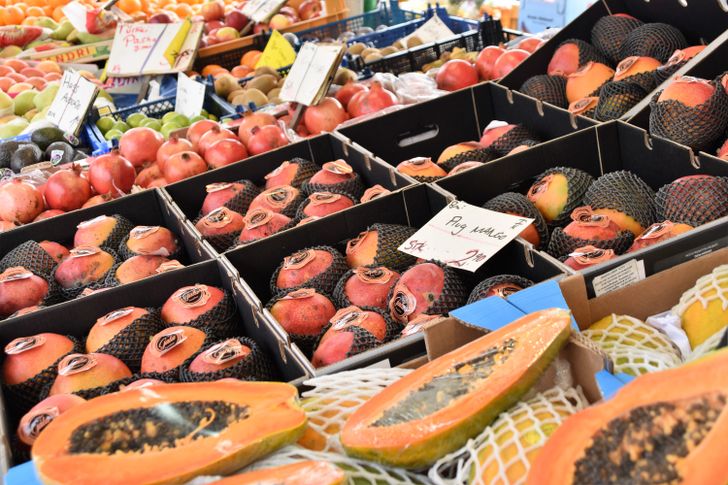
WB20 / Pexels / Papaya offers a different result because its flesh has a naturally softer and denser texture.
Its tropical sweetness works well with coconut milk. A squeeze of lime can also add acidity and keep the dessert from tasting overly sweet.
Watermelon makes sense for this trend because it contains plenty of water and freezes firmly. Its bright color also gives the finished dessert a striking appearance. The flavor stays fresh and light, especially when paired with cream or coconut milk.
Cantaloupe and honeydew fit the technique for similar reasons. Both fruits have thick flesh surrounding a hollow center, so nature has already done some of the preparation. Removing the seeds creates a convenient space for adding cream.
Pineapple requires a little more preparation because of its tough skin and fibrous center. Still, its strong sweet and tart flavor makes it an appealing frozen option. Coconut milk can push the combination toward familiar tropical dessert flavors.
The trend gets much stranger once tomatoes enter the freezer. Some creators have used large heirloom tomatoes for a savory version of the technique. Instead of adding heavy cream, they mix the frozen tomato flesh with olive oil.
Calling that creation ice cream is admittedly generous. Savory sorbet or frozen tomato granita may describe it more accurately. Still, the experiment shows why this social media trend has lasted longer than a single watermelon video.
The basic technique leaves plenty of room for experimentation. Sweet fruit can pair with cream, plant milk, yogurt, citrus juice, or other simple additions. Savory produce opens the door to olive oil, herbs, salt, and spices.